
Blog
September 29, 2017
MozCon Presentation – Dark Search, Mobile and Social – Run Rabbit Run!
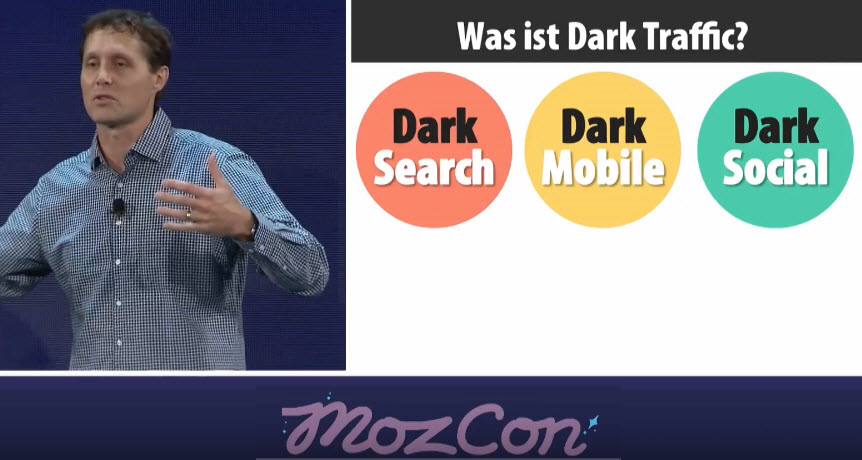
Ever wonder what’s in that direct traffic bucket in your metrics reports? Marshall breaks down dark search, dark mobile and social traffic in order to get the credit for the work you’ve done. Marshall also discusses the nuances of HTTPS […]
Blog
September 29, 2017
MozCon Presentation – Keep the Focus on the Doughnuts
Marshall Simmonds’ highly rated MozCon Presentation. How to get control of and manage big data and visualize SEO traffic in ways that help promote your search engine optimization efforts. Learn how to leverage your internal (and external) metrics to show […]
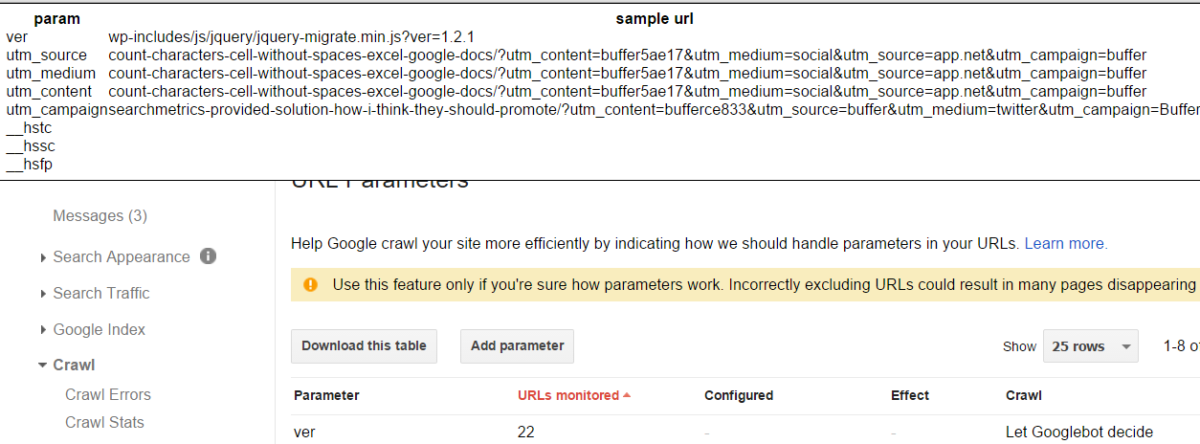
The URL parameter configuration tool in the Google Search Console is an SEO’s dream; it picks up the deepest parameters that many crawlers fail to find. It’s a list of opportunities to close up duplicate content caused by parameters, but […]

The greatest trick Google ever pulled was convincing the world there was a Mobilegeddon. Sure, a mobile-focused algorithm update occurred on April 21. And according to the Google Search team, this update had a bigger impact than Penguin and Panda […]
Blog
April 14, 2015
Adam Sherk Speaks on Bloomberg TV: “Why Google News Is Shutting Its Doors in Spain”

Define Media Group Vice President of SEO and Social Media Adam Sherk and Keane Legal Media Lawyer Benoit Keane discuss Google’s closure in Spain over a tax dispute. They speak on “Bloomberg West.” (Source: Bloomberg)
Blog
April 14, 2015
The Facebook and Google Duopoly

It’s common knowledge that Google has a monopolistic hold on search traffic. comScore’s widely cited numbers place Google’s search market share at 67%, followed by Bing at 19% and Yahoo at 10%. But based on our internal data, comScore significantly […]
Blog
July 15, 2014
The 2014 Mid-Year Digital Traffic Report
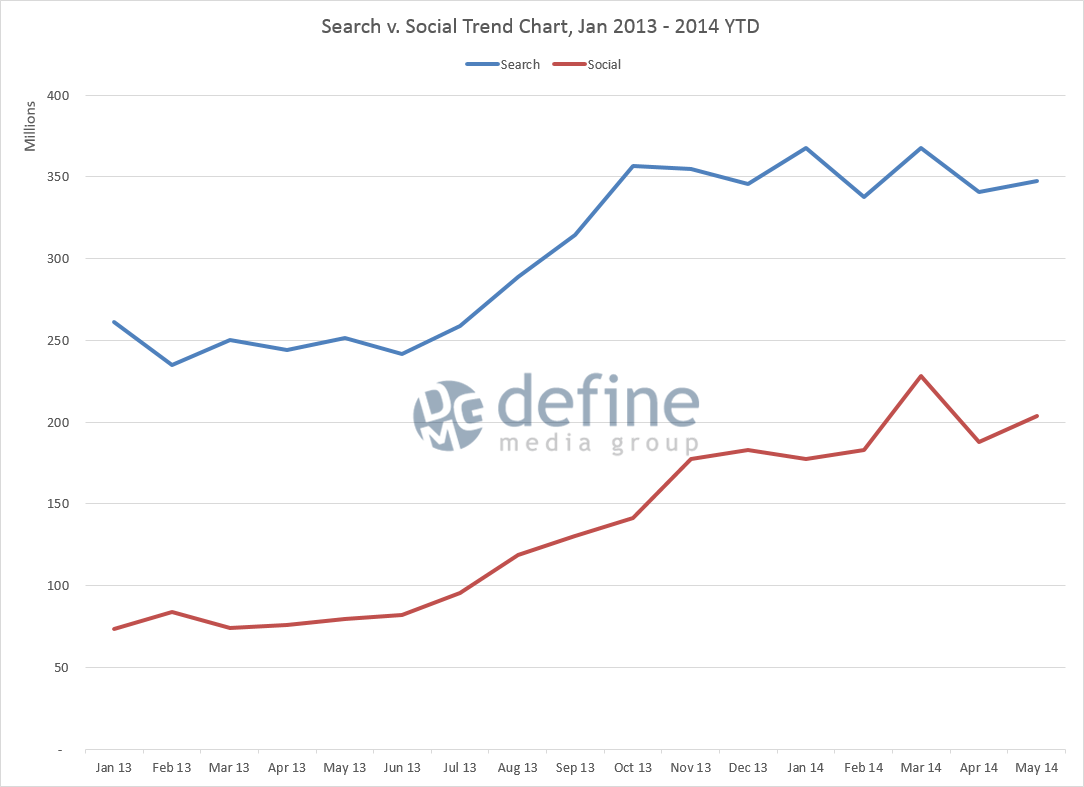
With 2014 now more than halfway done, we wanted to provide an update on the major search and social trends we’re seeing across our network. In many ways, the data in this post is an update to our “Hey Buzzfeed, […]
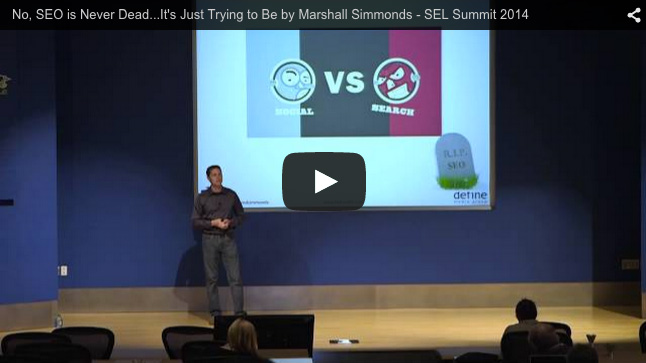
Marshall Simmonds speaking at Search Engine Land’s SMX Advanced Summit 2014 in Seattle.
Earlier this week Re/Code published an article with the provocative title “The Year Facebook Blew Past Google.” It cites a chart from BuzzFeed suggesting that, beginning in January of 2013, Facebook surpassed Google as the most important referral source to […]
Blog
December 17, 2013
Three Really Big Traffic Problems You May Not Know You Have – Video Presentation
Marshall Simmonds speaking at SEER Interactive’s SearchChurch series talking about the perils of image search, the success of mobile search and how to be aware of recent changes to safe search. Go Eagles.


